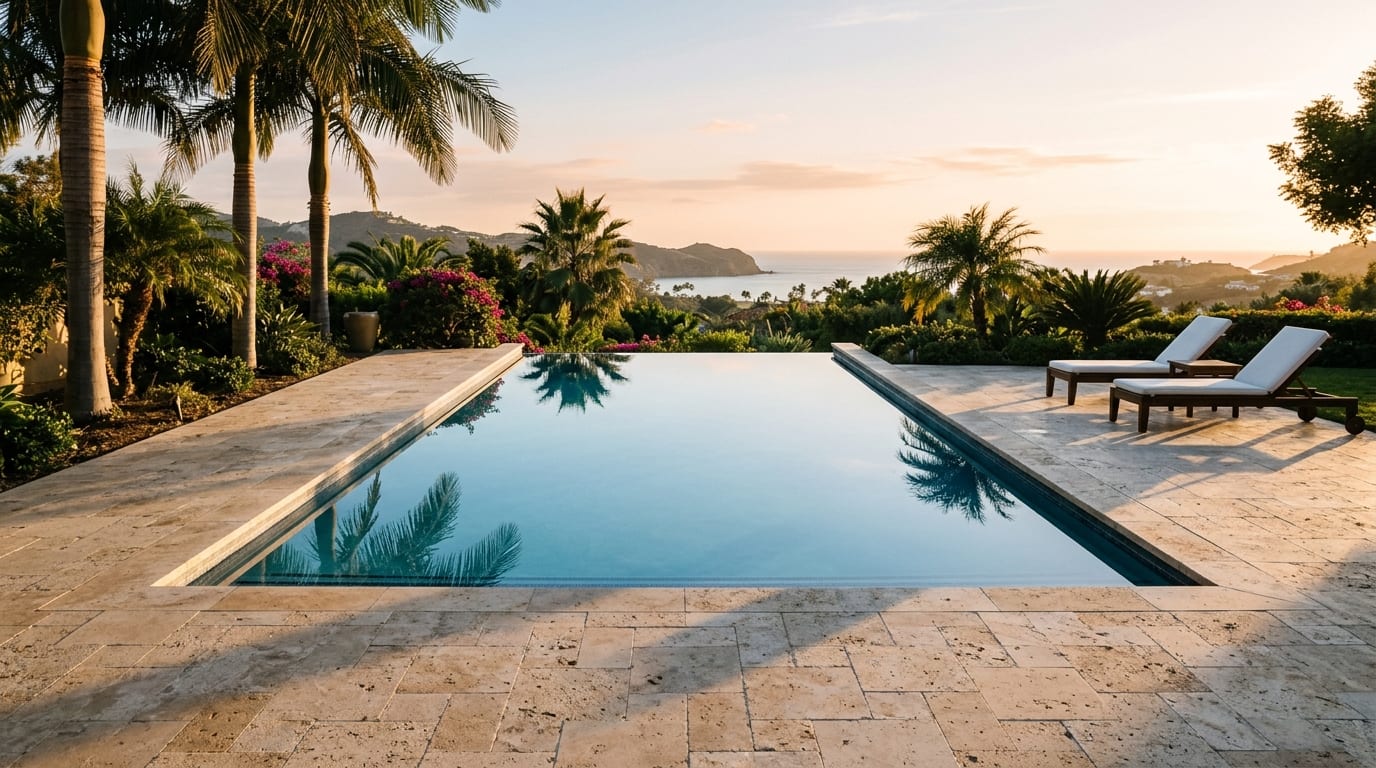
Why Pool Decks Need Their Own Cleaning Approach
A pool deck looks like a simple expanse of stone or paver to clean. It is actually one of the more demanding exterior surfaces — because of what it is made of, what lands on it, and what it sits next to.
Three problems at once
A pool deck accumulates three distinct kinds of soil simultaneously, and a good cleaning addresses all three:
- Mineral deposit. Pool water carries chlorine and dissolved minerals. Splash-out and evaporation leave a mineral scale on the surrounding deck, concentrated near the water’s edge.
- Biological staining. Where the deck is shaded, or where moisture lingers, algae and organic growth take hold — particularly under palm canopy or near plantings.
- Embedded debris. Leaf and palm shed, pollen, and ordinary grit work into the pores of stone and the joints of pavers.
A cleaning that lifts one and leaves the others is a partial job.
In Arizona, the mineral load is compounded by hard water — the municipal supply in the Phoenix and Scottsdale metro area is among the hardest in the country, and pool water treated from that source carries a high dissolved-mineral content. Scale near the waterline builds faster and bonds more aggressively than in softer-water markets. In Florida, the opposite pressure applies: the combination of heat, humidity, and organic debris from tropical landscaping accelerates biological staining to a degree that makes cadence more critical than chemistry alone. California coastal homes deal with both: marine-air salt deposits and substantial landscaping shed, particularly from eucalyptus and palm.
The material question
Pool decks are built from materials that demand different handling. Travertine — the most common luxury pool-deck stone — is soft and erodes under generic pressure; it needs calibrated low pressure and chemistry. Pavers tolerate more pressure but lose joint sand if it is overdone. Shell stone and other soft naturals each have their own tolerance. The crew has to identify the material and calibrate to it — the single most common pool-deck damage event is travertine cleaned as if it were concrete.
Travertine’s particular risk is this: its surface voids and the softer calcite matrix surrounding them respond to high pressure by eroding — the face of the stone becomes rough and pitted, which accelerates both staining and biological hold. The damage is permanent and visible. A travertine pool deck cleaned at concrete pressures will need refinishing, not just re-cleaning. The correct approach uses low-pressure delivery with a dedicated stone chemistry that dissolves mineral scale and lifts biological staining chemically rather than mechanically.
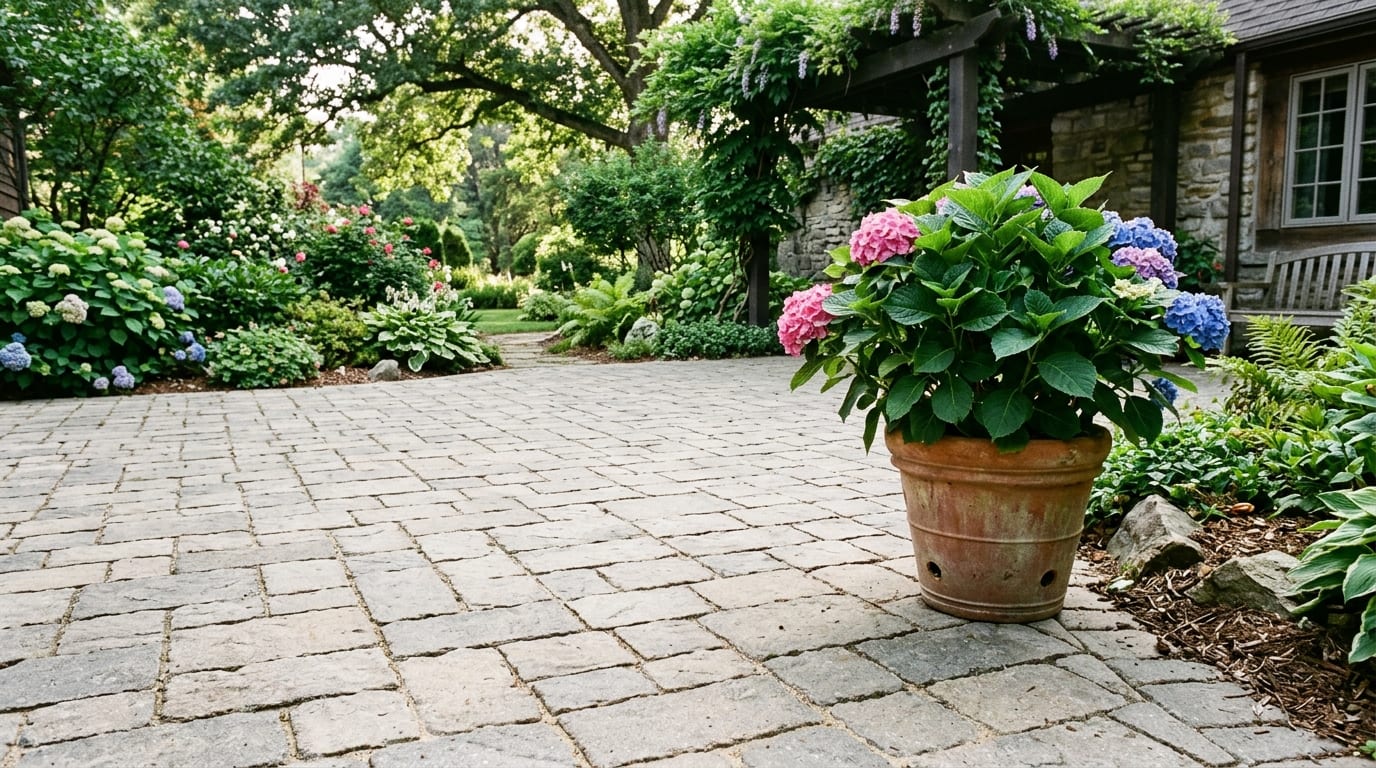
Pavers present a different failure mode. Most modern pool-area pavers are manufactured concrete, and they tolerate moderate pressure. The joints between them, however, are filled with polymeric or kiln-dried sand that does not. Direct high-pressure work across the joints strips the sand, and the consequence is joint instability, weed penetration, and eventual paver shift. A careful crew works with a fan tip or surface cleaner that covers the paver face without concentrating pressure on the joints, and reseats joint sand after cleaning where it has been disturbed.
The neighbor problem: water, plantings, and the pool itself
A pool deck sits between two things that complicate cleaning. On one side, landscaping — the cleaning chemistry must not bleach or burn adjacent plantings, which means tarping, pre-rinsing, and run-off planning. On the other side, the pool itself — cleaning run-off should be managed so it does not load the pool with debris or chemistry. A capable crew plans both before the work starts.
The pool chemistry concern is specific: surfactant-based cleaning products introduced in volume into pool water create a foam and chemistry load that can temporarily compromise water balance and, in high concentration, affect pool equipment. The professional practice is to blow and broom debris away from the pool edge before wet work begins, use run-off diversion where the deck grade allows it, and keep volume away from the pool during the extraction phase. It is not complicated, but it requires the crew to think about it — something a general-purpose cleaning crew often does not.
The chemistry sequence
A well-executed pool-deck clean follows a defined chemical sequence rather than a single product applied everywhere. Mineral scale and biological staining do not respond to the same chemistry. Acid-side treatments — dilute phosphoric or citric-based products — dissolve mineral carbonate scale effectively but do little for algae and organic staining. Alkaline oxidizing treatments address biological staining. Applying both to the same surface requires a sequence, not a mixture: one applied, allowed to dwell, rinsed fully, and then the other. Mixing them produces a neutralization reaction that leaves both less effective and may generate off-gassing.
Sealer and cadence
Many stone pool decks are sealed, and the cleaning should include an honest read on sealer condition — a worn sealer leaves the deck staining quickly again, and resealing is a separate decision worth knowing about. Most pool decks benefit from a twice-yearly cadence, with a pre-season opening clean and an additional pass before any major event.
A sealed travertine pool deck that has lost its sealer is visibly different after a cleaning — it will absorb water immediately when droplets hit the surface rather than beading. A sealed surface beads. This simple observation during or after a cleaning tells a homeowner whether resealing belongs on the near-term schedule. Penetrating sealers for travertine and stone pool decks are typically reapplied every two to three years depending on sun exposure and cleaning frequency; a south-facing Arizona deck in direct sun breaks down sealer faster than a shaded Florida deck under a pergola.
Pool deck care, calibrated by material, is a defined scope our pressure-washing partners handle. See pressure-washing coverage or request a quote.
Why trust this
Guidance held to a published standard.
Clean Freaks Co connects homeowners with pool deck and exterior surface cleaning across Arizona, California, and Florida through approved, insured local partners verified for material-calibrated pressure washing — including travertine, natural stone, and paver surfaces. Partners are assessed specifically on material identification and pressure calibration before being listed.
This Journal is written and reviewed to that same standard. Guidance on stone chemistry, pressure tolerances, and mineral-scale treatment follows manufacturer and trade sources and defaults to the conservative method. Read how the Journal is written and reviewed.
Questions
Frequently asked.
Can a pool deck be cleaned with the same pressure washer used on the driveway?
Not if the deck is travertine, shell stone, or any soft natural stone. These materials erode under the pressures appropriate for concrete, leaving a rough, pitted surface that holds staining more aggressively and is permanent. Concrete driveways are typically cleaned at 2,500–3,000 PSI; travertine pool decks require pressure in the 800–1,200 PSI range with appropriate chemistry doing most of the work. The material dictates the method, and calibrating incorrectly causes irreversible damage.
How often should a pool deck be cleaned in Arizona versus Florida?
In Arizona, the hard-water mineral load and intense UV exposure suggest a twice-yearly cadence as a minimum — spring before heavy pool use begins, and fall after summer peak. Florida’s heat and humidity accelerate biological staining, often making a spring and fall schedule similarly appropriate, with a mid-summer inspection if the deck is heavily shaded or surrounded by tropical landscaping. Both markets produce conditions that compound faster than a once-yearly approach can manage.
Will pool deck cleaning damage my landscaping?
It should not, provided the crew plans for it. Standard practice includes pre-rinsing plantings adjacent to the deck, tarping sensitive plantings during chemical application, and managing run-off so cleaning chemistry does not concentrate in root zones. The risk is real — alkaline or oxidizing chemistry applied directly to foliage will bleach it — but it is fully manageable with preparation. Ask any crew you consider how they handle run-off and planting protection before work begins.
Should a pool deck be sealed, and does cleaning affect the existing sealer?
Most natural stone pool decks benefit from a penetrating sealer that reduces porosity and slows staining. Cleaning does not harm a properly bonded sealer, though it may reveal one that is already failing — a surface that absorbs water immediately rather than beading has lost its sealer protection. If cleaning reveals a failed sealer, resealing on a freshly cleaned surface is the correct next step; applying sealer to a stained or dirty substrate compromises adhesion and traps the staining beneath.
How do we avoid getting cleaning run-off into the pool?
A professional crew begins with dry clearing — blowing or brooming debris away from the pool edge before any wet work. Where the deck grade allows, run-off is directed away from the pool. Chemistry volume is managed so heavy application does not reach the water’s edge. In tight-clearance situations, a pool cover or temporary barrier is used. The goal is to avoid loading the pool with surfactant chemistry, which can create a foam load and temporarily affect water balance.
Related reading
More from the Journal.
For your home
Exterior cleaning, calibrated to the surface.
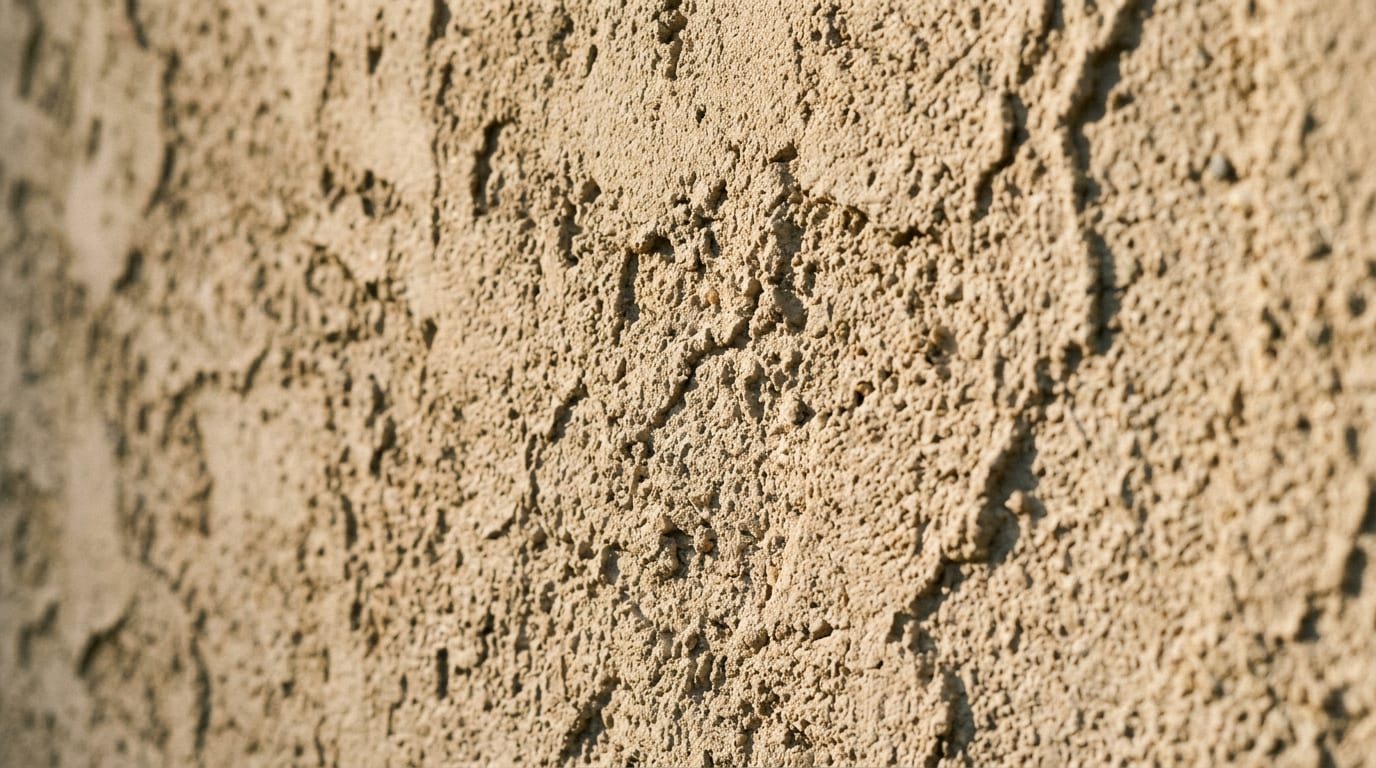
Travertine, stucco, pavers, and pool decks each ask for a different method — and the wrong pressure does damage that does not reverse. We connect you with an approved local partner calibrated to your surfaces. See pressure washing coverage, or send the details and your local partner will be in touch.
Request a quote
About Clean Freaks Co
Clean Freaks Co is a premier luxury home cleaning service company that has carved a niche in the cleaning industry with its top-tier services. With a keen focus on luxury homes, we ensure every detail is handled with the utmost care and precision, providing a level of service that goes above and beyond the norm.
Our services are comprehensive and tailored to meet the unique needs of luxury homes. We offer residential cleaning, carpet & floor cleaning, window cleaning, and exterior cleaning. Our team of professionals is committed to providing the highest level of service, ensuring your home is pristine and inviting.
We believe in using natural cleaning products that not only deliver exceptional results but also protect our clients and the environment. Our commitment to eco-friendly cleaning solutions is part of our mission to provide a clean and safe environment for luxury homeowners.
Clean Freaks Co operates in three major states, specifically in Atherton & Los Altos Hills, California; Paradise Valley, Arizona; and Jupiter Island & Golden Beach, Florida. We are proud to serve luxury homeowners in these areas and are dedicated to exceeding our clients' expectations with every service we provide.
Choosing Clean Freaks Co means choosing a team that understands the unique needs of luxury homes. Our attention to detail, commitment to using natural cleaning products, and dedication to providing a superior customer experience set us apart. We take pride in transforming luxury homes into pristine living spaces where our clients can relax and enjoy their surroundings.
For more information or to schedule a service, please contact us at skyler.salterra@gmail.com. We look forward to providing you with a clean and safe environment that you'll love.
Written and published by Clean Freaks Co. How the Journal is written and reviewed →