
Pet Odor in Carpet: Why Surface Cleaning Fails
Pet odor that returns a few days after the carpet was cleaned is not a sign the carpet was cleaned poorly. It is a sign the wrong thing was cleaned. The odor and the visible stain are two different problems.
The chemistry of why it returns
When a pet incident dries, it leaves behind uric-acid crystals. Those crystals are the source of the odor, and they are not water-soluble in the way ordinary soil is. A standard cleaning lifts the visible stain and the surface residue — the carpet looks clean and, briefly, smells clean. But the crystals remain in the pile and, more importantly, in the pad beneath it. The next time humidity rises, the crystals reactivate and the odor returns. The homeowner concludes the cleaning failed. The cleaning did exactly what surface cleaning does; it was simply the wrong tool for this problem.
This reactivation cycle is particularly pronounced in humid climates — coastal California in marine-layer season, Florida from May through October — but it occurs everywhere. Interior humidity from a running dishwasher, a shower, or even a cluster of houseplants is enough to rehydrate the crystals. The chemistry does not need outdoor conditions to reassert itself.
What UV inspection reveals
A professional pet-odor treatment begins with a UV inspection in a darkened room. Uric-acid deposits fluoresce under ultraviolet light — they glow yellow-green against the carpet surface. The inspection almost always shows that the affected area is larger than the visible stain suggested. Incidents spread laterally through the pile as they dry, and repeated incidents in the same general area compound into a zone that can be two or three times the size of any single visible stain.
Without the UV inspection, a technician is estimating by surface evidence. The treatment gets applied to the stain zone rather than the contamination zone, and the untreated periphery is exactly what reactivates first. The inspection is not optional; it defines the scope of the treatment.
What actually removes it
Removing pet odor requires breaking down the uric-acid crystals at the source. That means an enzyme treatment — a chemistry that digests the crystals rather than rinsing around them — applied with enough dwell time to reach saturation depth, and followed by a hot-water extraction hot enough to lift the broken-down residue out of the fiber. The sequence matters: identify the affected areas, often with a UV inspection; pre-treat with the enzyme; allow the dwell; then extract.
Dwell time is the variable most often shortened under production pressure. Enzyme chemistry requires contact time to work — typically thirty minutes to two hours depending on product concentration and contamination depth. A technician who applies enzyme and extracts within minutes has not allowed the chemistry to do its work. The treatment will appear to succeed and then fail, which is precisely what the homeowner who has already had three “treatments” has been experiencing.
When the pad is the real problem
Urine migrates downward by gravity. In a single incident, the volume is usually contained in the pile and pad. In a repeated location — a pet’s preferred spot, especially if incidents have gone unnoticed for weeks or months — the pad becomes saturated. A saturated pad is a reservoir. Enzyme treatments applied through the carpet face must penetrate deeply enough to reach it, and in heavy saturation cases they often do not reach full depth without flooding-style sub-surface application.
Pad saturation can also wick into the subfloor, where carpet chemistry cannot follow. In those cases, even a correctly executed treatment to the pad level will not fully resolve the odor because the source has migrated below the pad. This is not a failure of the treatment; it is a failure of the surface. The correct answer at that point is pad replacement, and potentially subfloor treatment with an encapsulant chemistry before new pad is installed.
The honest limit
Sometimes saturation has gone deeper than carpet chemistry can reach — through the pad and into the subfloor. When that is the case, the honest answer is pad replacement, and a capable partner will say so at the inspection rather than sell repeated treatments that chase an odor they cannot fully reach. A partner who promises that any odor, at any depth, will yield to one more cleaning is not being straight with you.
Pad replacement is a construction task, not a cleaning task. The carpet is pulled back from the tack strip, the saturated pad is cut and removed, the subfloor is inspected and treated if needed, and new pad is installed before the carpet is re-stretched and re-secured. It is more disruptive than a cleaning, but it resolves the problem permanently rather than managing it to diminishing returns.
Why this matters more in a high-value home
Two reasons. First, the carpets and rugs are often worth enough that pad replacement is far cheaper than rug replacement — the math favors solving it correctly. Second, pre-sale: odor a resident has stopped noticing is immediately apparent to a buyer walking through, and it affects both impression and price. Pet-odor remediation done properly, before listing, is among the higher-return maintenance decisions a seller makes.
In high-value homes, the additional consideration is often a large-format area rug over a hard floor, rather than broadloom carpet. These are removable and can be cleaned off-site — a significant advantage, since the rug can be treated on both faces, the pad can be discarded and replaced, and the hard floor beneath can be inspected and treated independently before the rug is returned. Off-site treatment is the correct route for any museum-quality or hand-knotted piece where in-home saturation carries risk to the floor beneath.
Enzyme pet-odor treatment is a specialty capability verified before a carpet partner is listed. See carpet-cleaning coverage or request a quote.
Why trust this
Guidance held to a published standard.
Clean Freaks Co connects homeowners with carpet cleaning — including enzyme pet-odor treatment and pad replacement assessment — across Arizona, California, and Florida through approved, insured local partners held to a published standard. Every partner is verified for this specialty scope before being listed.
This Journal is written and reviewed to that same standard. Material guidance on uric-acid chemistry, enzyme dwell protocols, and subfloor assessment follows industry trade sources and defaults to the conservative method. Read how the Journal is written and reviewed.
Questions
Frequently asked.
Why does the odor come back after the carpet has been cleaned?
Standard cleaning removes the visible stain and surface residue but does not break down uric-acid crystals, which are the actual odor source. Those crystals remain in the pile and pad. When ambient humidity rises — from weather, interior appliances, or seasonal change — the crystals rehydrate and the odor reasserts. Only enzyme chemistry that digests the crystals, applied with adequate dwell time and followed by thorough hot-water extraction, resolves it at the source.
What does a UV inspection actually show, and is it necessary?
Under ultraviolet light in a darkened room, uric-acid deposits fluoresce yellow-green against the carpet surface. This reveals the true contamination zone, which is almost always larger than the visible stain — often two to three times the surface area — because liquid spreads laterally through the pile as it dries. Treating only the visible stain leaves the periphery untreated, which is precisely what reactivates first. The inspection defines the correct treatment scope.
How do I know if the pad needs to be replaced rather than treated?
Indicators include: the odor has persisted through multiple treatments; the location was a repeated incident site over months; there is a noticeable odor even when the carpet is dry; or a technician probing the pad finds it compresses without recovering and carries a strong odor independent of the carpet face. Pad replacement is the correct answer when saturation depth has exceeded what in-carpet enzyme treatment can reliably reach.
Can high-value rugs be treated the same way as wall-to-wall carpet?
Not in all cases. Large-format, hand-knotted, or museum-quality area rugs should generally be treated off-site, where they can be worked on both faces, dried in controlled conditions, and returned to a clean floor. Flooding enzyme chemistry into a valuable rug in place risks damage to the rug’s foundation and to the hard floor beneath. The off-site route is more thorough and lower-risk for any piece worth preserving.
How long after treatment before the carpet is fully dry and odor-free?
Dry time after hot-water extraction is typically four to eight hours with adequate airflow — open windows, fans, and HVAC on circulation. During drying, a faint residual odor is normal and should dissipate as moisture clears. If a strong odor persists after the carpet is fully dry, the treatment either did not reach the full contamination zone or the pad remains saturated and the scope needs to be reassessed.
Related reading
More from the Journal.


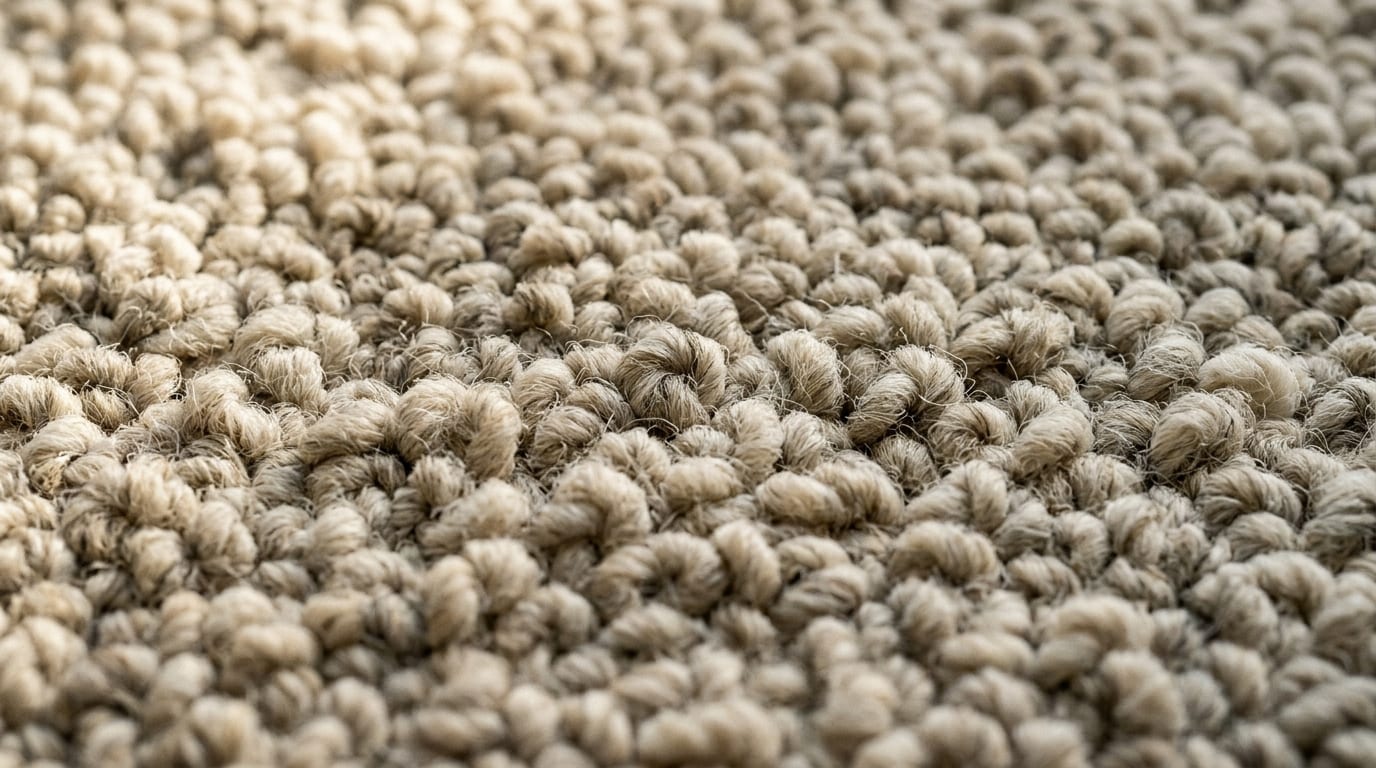
For your home
Carpet care, matched to your home.
When the carpet in your home needs more than routine attention, we connect you with an approved local partner who knows the fiber, the traffic, and the standard your home keeps. See carpet cleaning coverage, or send the details and your local partner will be in touch.
Request a quote
About Clean Freaks Co
Clean Freaks Co is a premier luxury home cleaning service company that has carved a niche in the cleaning industry with its top-tier services. With a keen focus on luxury homes, we ensure every detail is handled with the utmost care and precision, providing a level of service that goes above and beyond the norm.
Our services are comprehensive and tailored to meet the unique needs of luxury homes. We offer residential cleaning, carpet & floor cleaning, window cleaning, and exterior cleaning. Our team of professionals is committed to providing the highest level of service, ensuring your home is pristine and inviting.
We believe in using natural cleaning products that not only deliver exceptional results but also protect our clients and the environment. Our commitment to eco-friendly cleaning solutions is part of our mission to provide a clean and safe environment for luxury homeowners.
Clean Freaks Co operates in three major states, specifically in Atherton & Los Altos Hills, California; Paradise Valley, Arizona; and Jupiter Island & Golden Beach, Florida. We are proud to serve luxury homeowners in these areas and are dedicated to exceeding our clients' expectations with every service we provide.
Choosing Clean Freaks Co means choosing a team that understands the unique needs of luxury homes. Our attention to detail, commitment to using natural cleaning products, and dedication to providing a superior customer experience set us apart. We take pride in transforming luxury homes into pristine living spaces where our clients can relax and enjoy their surroundings.
For more information or to schedule a service, please contact us at skyler.salterra@gmail.com. We look forward to providing you with a clean and safe environment that you'll love.
Written and published by Clean Freaks Co. How the Journal is written and reviewed →